
Jackasses
For Every Child a Proper Place, and Every Place Its Proper Child (Ep. 23)

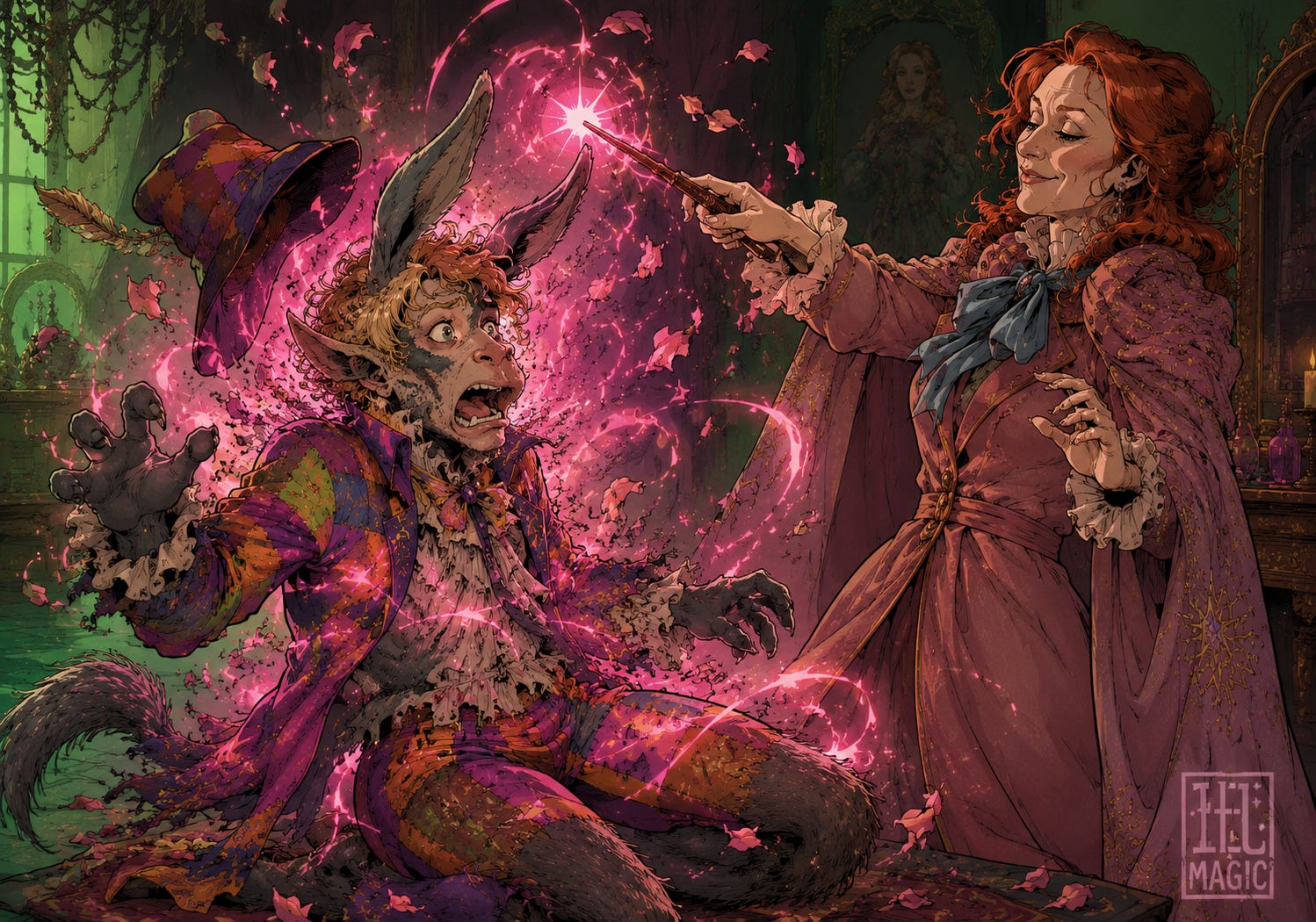
Morning entered the House of Necessary Children quietly.
No bells.
No shouted orders.
No iron striking iron.
Instead, sunlight spilled through windows that had remained shuttered since Thomas arrived. Someone had polished the floorboards until they reflected the ceiling. Fresh curtains, pale cream instead of institutional gray, stirred lazily in the morning breeze. The medicinal smell that had clung to every corridor since Thomas’s arrival had disappeared beneath beeswax, lavender soap, and the unmistakable aroma of fresh bread.
For one bewildering moment he wondered if he’d awakened somewhere else.
A matron moved calmly between the beds, drawing the curtains wider.
“Good morning.”
Another followed behind carrying neatly folded uniforms over both arms. Every shirt had been pressed. Every missing button replaced. Torn hems had been stitched so carefully they seemed never to have existed.
“Up, everyone.”
Not Get up.
Not Move.
Up, everyone.
The difference mattered.
A third woman entered carrying steaming basins of warm water.
“Wash thoroughly today.”
The room stared.
Warm water was reserved for illness.
Fresh towels were rarer still.
One boy rubbed the soft cloth between his fingers as though expecting it to dissolve. A little girl timidly raised her hand.
“Have we done something right?”
The matron smiled.
“You have visitors.”
The room inhaled.
Visitors.
The word fluttered through the dormitory like a bird that had flown in through an open window and forgotten how to escape. Nobody spoke for several heartbeats. Then hope, reckless and immediate, spread from bed to bed with astonishing speed.
“My aunt,” whispered one child.
“It could be my uncle.”
“I told you my father would come.”
“No, you didn’t.”
“I dreamed he would.”
Dreams, apparently, counted as evidence.
Thomas watched faces transform more quickly than any spell could manage. Sleep vanished. Hair was smoothed. Blankets folded with military precision. One older girl helped a younger one button her collar, taking extra care to hide the fraying beneath the cloth. Two boys argued over who deserved the less-scuffed pair of shoes before deciding to polish both together using the sleeve of an already-clean uniform.
Nobody had to explain what visitors meant.
Children already knew.
Every orphanage.
Every monastery.
Every poorhouse.
Every institution that gathered children beneath one roof eventually became haunted by the same impossible rumor.
Maybe today.
Maybe today someone chooses me.
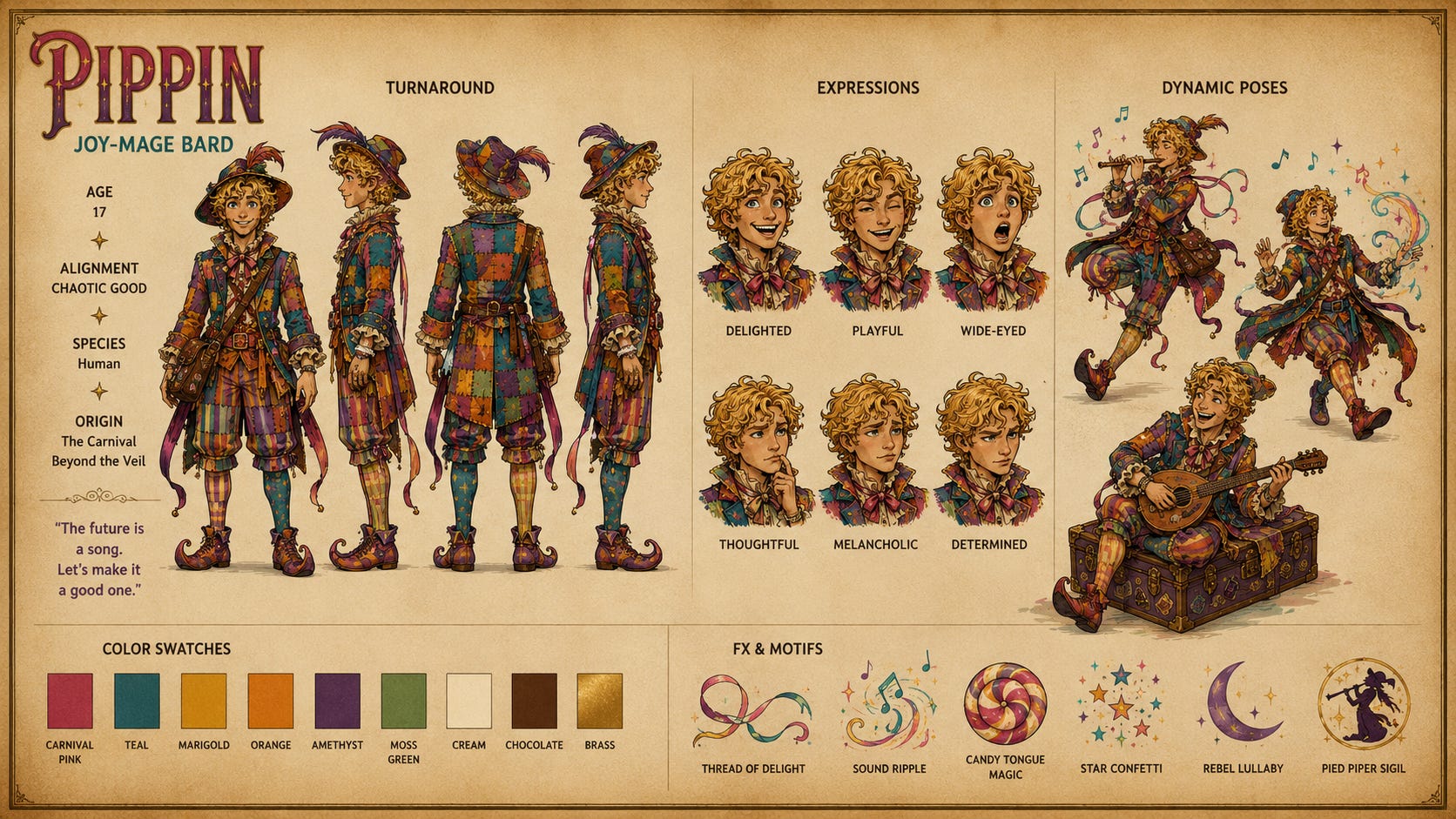
Pippin remained seated on the edge of his bed.
Unlike everyone else, he made no attempt to straighten his hair or smooth his coat. He watched the room instead with an expression Thomas had never seen before.
Not fear.
Recognition.
“They’ve done this before,” he murmured.
Thomas frowned.
“What?”
Pippin nodded toward the windowsills.
“The flowers.”
Thomas looked.
Yesterday there had been none.
Today white lilies stood in polished ceramic vases beneath every window.
“They’ve staged the room.”
Only then did Thomas begin noticing everything else.
The cracked pitcher beside the washstand had been replaced with blue porcelain.
The threadbare blankets had all been turned over so the worn sides faced the mattresses.
Someone had rubbed walnut oil into the old oak bedsteads until they gleamed.
Fresh rushes had been scattered across the floor.
Even the sunlight somehow seemed intentional.
Yesterday the House had been a prison.
Today it wished to appear respectable.
It wasn’t for the children.
It was for the guests.
A bell chimed somewhere below.
Soft.
Civilized.
The matrons lined the children into pairs.
No chains.
No guards.
No shouted instructions.
Only gentle hands adjusting collars and brushing imaginary lint from shoulders.
“Smile if spoken to.”
“Stand straight.”
“Answer clearly.”
One matron knelt before a frightened little boy and retied his shoes with surprising tenderness. When she finished, she dusted invisible flour from one knee and gently lifted his chin until he looked her in the eye.
“There now.”
She smiled.
“We want to make a good impression.”
Thomas felt something cold settle inside him.
Not because the words were cruel.
Because they weren’t.
They were exactly the sort of thing someone might say before meeting grandparents.
Or neighbors.
Or prospective parents.
He had the peculiar sensation that he had stepped into somebody else’s memory.
Not his own.
Something older.
Some forgotten story that had been happening for centuries.
As they descended the staircase, the House continued revealing its disguise.
Every corridor had been polished.
Portraits that usually glowered from dark walls had been dusted until their gilded frames shimmered in the morning light. Fresh loaves of bread rested upon silver platters outside the dining hall, untouched, their warmth perfuming the hallway with a comfort so carefully arranged it became almost sinister.
Even the teachers had changed.
Yesterday’s severe black robes had given way to tailored coats, lace collars, ribbons, polished shoes, and pressed cuffs. Several wore small silver badges Thomas had never noticed before, each one gleaming as brightly as the cutlery laid throughout the building.
The House had dressed itself.
Waiting.
The great examination chamber barely resembled the room Thomas remembered from the previous afternoon.
The iron chair had vanished.
The mirrors had disappeared.
Or seemed to.
Thomas was no longer certain those were the same thing.
The floor had been covered with carpets so thick footsteps disappeared into them. Clusters of velvet chairs surrounded polished tables set with porcelain teacups, crystal pitchers of lemonade, sugared almonds, and tiny cakes decorated with spun-sugar birds so delicate they seemed capable of flight.
It looked less like an academy.
More like a salon.
Or an exhibition.
The children were arranged along one wall.
Not shoulder to shoulder.
Spaced carefully.
Enough distance between each that they might be admired individually.
Thomas realized with growing unease that isolation itself had become part of the presentation.
A child standing alone looked available.
Pippin leaned toward him without taking his eyes from the room.
“They’re shopping.”
Two words.
Quiet enough that only Thomas heard them.
Once spoken, they became impossible to unthink.
The great doors opened.
Not dramatically.
Gracefully.
The first thing to enter was neither servant nor noble.
It was a swan.
Enormous.
White as fresh snow.
Its neck curved with impossible elegance while its black eyes surveyed the chamber with unmistakable contempt. It ignored the teachers completely. It ignored the tables. It ignored the cakes.
It ignored everyone.
Until it reached Matteo.
The bird stopped.
Matteo’s face lit with astonished delight.
The swan lowered its head.
It hissed.
Not a warning.
A question.
Matteo answered with a remarkably convincing hiss of his own.
The swan blinked.
Another hiss.
Matteo tilted his head, clicked softly at the back of his throat, and answered again.
Within seconds they appeared engaged in animated conversation composed entirely of hisses, chirps, tiny wing flicks, and subtle movements of the neck.
Nobody else understood a syllable.
Lady Glimmerette laughed as she entered behind her companion.
“There you are.”
She sounded genuinely pleased.
“I suspected you’d like one another.”
She was younger than Thomas had expected.
Not young.
Ageless.
Like women in old storybooks whose faces somehow escaped the arithmetic of years.
Her gown shimmered somewhere between ivory and robin’s-egg blue. Pearls traced every seam like drops of morning dew. White gloves reached nearly to her elbows. A silver parasol rested across one shoulder although no rain threatened, and nestled within its carved handle Thomas glimpsed the polished crystal of a wand.
Everything about her suggested fairy tales.
Everything about her suggested order.
She crossed directly to Matteo.
“Avian Liaison.”
She spoke the title with unmistakable delight.
Not merely satisfaction.
Delight.
As though she had finally found precisely the right shelf for a cherished book.
Matteo nearly glowed.
The swan hissed approvingly.
“Excellent placement,” Lady Glimmerette said.
She turned toward the remaining children with the contentment of a gardener walking among carefully labeled flowers.
Another pair of doors opened.
This arrival carried no perfume.
No birds.
No music.
Only the measured rhythm of polished boots.
Two Custodian clerks entered first carrying leather portfolios swollen with papers.
Then came Severus Rex.
He walked with the practiced ease of a man convinced every room improved upon his arrival. He paused just inside the doorway, allowing everyone to finish noticing him before continuing.
“Beautiful.”
He smiled broadly.
“Very beautiful.”
He looked around the chamber approvingly.
“The room.”
“The children.”
“Everything.”
He nodded several times.
“Tremendous.”
One clerk immediately recorded the remarks.
Rex glanced over.
“You got all that?”
“Yes, Your Excellency.”
“Good.”
“They’ll want to remember I said that.”
Only then did his attention settle upon the children themselves.
It lingered for barely a heartbeat before dropping to Roux.
The little bread pup sat faithfully beside Thomas’s ankle, golden tail sweeping lazily across the carpet.
Rex crouched.
“Well.”
“So that’s him.”
Roux answered with a low growl.
“Beautiful little fellow.”
He looked toward the clerks.
“The bread dog.”
Another note disappeared into a ledger.
A silver teapot shimmered.
For only an instant Ravenna’s face appeared within its curved reflection.
“Roux.”
Then she was gone.
Rex nodded thoughtfully.
“Imagine every regiment in Europe with one.”
He smiled to himself.
“No hungry soldiers.”
“No unhappy soldiers.”
“Wars practically win themselves.”
Thomas instinctively rested his hand atop Roux’s head.
The pup leaned against his leg.
Rex had not seen a dog.
He had seen logistics.
The examinations began.
Not publicly.
Intimately.
One child at a time.
Names were called.
Children stepped forward.
Adults discussed them as though the children themselves had become incidental to the paperwork accumulating around them.
Strengths.
Temperaments.
Placements.
Potential.
Recommendations.
Nobody asked what any of them wanted.
Nobody asked what any of them feared.
When Milla’s name was called, Ravenna returned.
First within the polished window.
“Translation.”
She vanished.
Reappeared inside a serving spoon.
“Interesting.”
Again.
The silver lid of the sugar bowl.
“Very interesting.”
Thomas began searching every reflective surface in the room.
She was everywhere.
The crystal pitcher.
A polished shoe buckle.
The silver tray beneath the teapot.
Always watching.
Never staying.
Rex leaned forward.
“Translation.”
He smiled.
“I like that.”
“Trade.”
“Negotiation.”
“Markets.”
“Very valuable.”
Lady Glimmerette corrected him with gentle delight.
“Not valuable.”
“Necessary.”
“A translator belongs wherever misunderstanding lives.”
Ravenna smiled faintly from the teapot.
“Not languages.”
Only Thomas heard her.
“…translation.”
Then she disappeared once more.
Thomas waited.
Yesterday Ravenna had stopped everything.
Prior claim.
Surely someone would explain.
Surely—
Rex glanced toward him.
A clerk handed him a slim file.
He opened it.
Read one page.
Looked at Thomas.
Closed it again.
“Already claimed.”
A pause.
“Pity.”
The file returned to the clerk.
Thomas felt strangely hollow.
He had not been rejected.
He had simply become unavailable.
Like a painting already sold before the gallery opened.
Rex moved on.
He stopped before Pippin.
“There he is.”
Pippin folded his arms.
“The boy from Siena.”
“Hamelin,” Pippin replied immediately.
“I’ll have you know.”
Rex chuckled.
“Hamelin.”
“Siena.”
“You get around.”
“I watched what happened.”
He clasped his hands behind his back and slowly circled Pippin, smiling with the effortless confidence of a man accustomed to hearing himself admired.
“One flute.”
“One square.”
“A whole city.”
He shook his head in theatrical disbelief.
“Tremendous.”
“Really tremendous.”
“They weren’t afraid of you.”
“They wanted to follow.”
He stopped directly in front of Pippin.
“Most people couldn’t move a chair.”
“You…”
He pointed one finger toward the bard.
“…could move nations.”
“I don’t play marches,” Pippin replied.
“No.”
Rex smiled.
“You make people believe.”
“That’s leadership.”
Lady Glimmerette’s expression tightened almost imperceptibly.
“I couldn’t disagree more.”
She rose gracefully from her chair and began walking around Pippin with slow, measured steps, studying him from every angle. Not appraising him exactly.
Measuring him.
Her eyes lingered on the way he stood.
The way he smiled.
The way he refused to stand still.
“Entirely unsuited.”
She sighed.
“Undisciplined.”
“Impulsive.”
“No respect for schedules.”
“No respect for hierarchy.”
“No respect for presentation.”
Each criticism seemed to delight her more than the last.
Rex laughed.
“Exactly.”
Lady Glimmerette smiled patiently, the way one indulges an enthusiastic child who has misunderstood the lesson.
“My dear Rex.”
“Governments require followers.”
“Civilization requires order.”
She looked back toward Pippin.
“There is a proper place for every child.”
“And if there isn’t?”
Pippin asked.
“We make one.”
The sentence landed with such certainty that no one questioned it.
Not the teachers.
Not the clerks.
Not even Rex.
Only Thomas.
“What about me?”
Lady Glimmerette turned.
The smile remained.
Only her eyes changed.
She approached him slowly.
Thomas resisted the urge to step backward.
Her gloved hand lifted toward his wrist.
Stopped.
Hovered.
Something invisible held it there.
The warmth left her expression.
Not replaced by fear.
By curiosity.
“How unusual.”
Her fingertips traced the air inches above his skin as though following seams stitched by someone else’s hand.
“Someone has already made arrangements.”
Every polished surface in the room brightened at once.
The teapot.
The crystal pitcher.
The silver tray.
The buckle of a clerk’s shoe.
The polished eye of Matteo’s swan.
Ravenna.
Everywhere.
“Titania.”
Lady Glimmerette withdrew her hand immediately.
“The prior claim.”
She bowed her head almost imperceptibly.
Respect.
Or perhaps caution.
Thomas couldn’t tell which frightened him more.
Across the room Rex frowned.
“The Alchemist King has also entered a claim.”
His attention shifted immediately toward Milla.
“For the translator.”
Lady Glimmerette nodded.
“It was filed before today’s examinations.”
“Hm.”
Rex studied the little girl again.
“I wanted her.”
“I’m aware.”
“He always gets first choice.”
“I’m aware.”
“Interesting.”
He smiled.
“Very interesting.”
The smile never reached his eyes.
Ravenna appeared in the silver sugar bowl.
“He rarely claims children.”
She disappeared.
A heartbeat later she emerged in the polished lid of the teapot.
“Not unless…”
Another reflection.
“…they’re exceptional.”
Thomas looked toward Milla.
Milla looked toward the floor.
She had no idea everyone else’s future had suddenly begun rearranging itself around hers.
That was enough.
“No.”
Pippin’s voice cut cleanly across the chamber.
Every conversation stopped.
Every pen.
Every teacup.
Every smile.
“We’re standing right here.”
Nobody answered.
“You keep talking about us like we’re furniture.”
He pointed toward Matteo.
“His name is Matteo.”
Toward Milla.
“Her name is Milla.”
Toward Thomas.
“His name is Thomas.”
His finger came back to his own chest.
“And my name…”
He smiled.
“…is Pippin.”
Silence.
“I’m not Harmony.”
“I’m not Placement.”
“I’m not Potential.”
“I’m certainly not your—”
He grinned.
“—jackass.”
Several children burst into nervous laughter.
Even one of the clerks failed to hide a smile.
Lady Glimmerette smiled too.
Warmly.
“Oh.”
She slipped one glove from her hand finger by finger.
“How fortunate.”
Her wand slid effortlessly from the silver handle of her parasol.
The crystal at its tip caught the morning light.
Clear.
Harmless.
She stepped toward Pippin and gently straightened his collar.
“There.”
“Much better.”
“You know,” Pippin said.
“I always imagined fairy godmothers being…”
He searched for the word.
“…nicer.”
“My dear boy.”
Lady Glimmerette’s smile never faltered.
“People often mistake kindness for indulgence.”
She rested the wand lightly against his shoulder.
Not threatening him.
Measuring him.
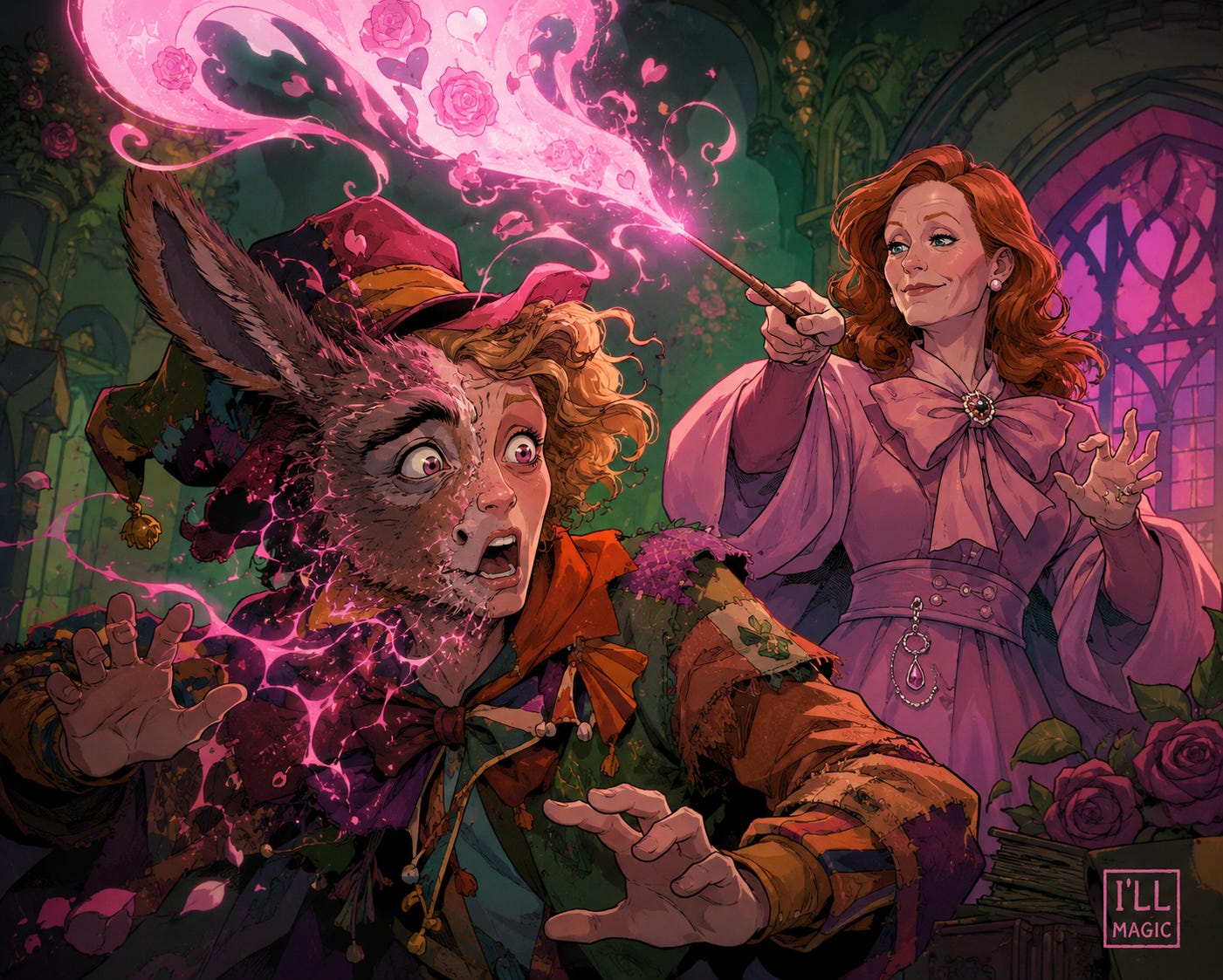
Then she began to sing.
Bibble and babble…
Button and braid…
Bramble and bridle…
Be what you’re made.
Clipperty…
Clatterty…
Briar and flower…
Child into creature…
She looked directly into Pippin’s eyes.
“…until midnight hour.”
Pippin rolled his eyes.
“Oh, that’s awfully catc…”
The word snagged in his throat.
He frowned.
Once.
Twice.
A strange little scrape escaped his mouth.
Not a cough.
Not a laugh.
A bray.
Small.
Embarrassed.
Almost apologetic.
Nobody moved.
The sound lingered in the polished room like a cracked violin string.
Pippin blinked.
“Huh.”
He turned his hands over.
Palm.
Back.
Palm again.
Nothing.
He laughed.
“See?”
Another bray interrupted him.
Sharper.
Longer.
He clamped both hands over his mouth.
Thomas noticed the change before Pippin did.
Tiny dark hairs had begun rising across the backs of his fingers.
The knuckles looked subtly swollen.
Not injured.
Reconsidered.
Pippin lowered his hands.
“My face feels…”
His jaw shifted.
The sound was almost inaudible.
Little wet clicks beneath the skin.
Like green branches bending beneath fresh snow.
His eyes widened.
“No…”
Another bray.
His front teeth pressed awkwardly against his lower lip.
He pushed them back with his tongue.
They refused to stay.
Thomas took a step forward.
A Custodian clerk caught his arm.
Not cruelly.
Professionally.
“Please.”
“He’s frightened.”
“So are we all.”
Thomas struggled.
The grip never tightened.
It didn’t need to
Lady Glimmerette watched with quiet satisfaction.
The spell no longer required her.
It had accepted its work.
Pippin inhaled sharply.
His ears twitched.
Then lengthened.
Not violently.
Patiently.
Soft velvet emerged beneath his hair.
He reached upward in confusion and grabbed them both.
As though he might simply fold them back where they belonged.
The gesture broke Thomas’s heart.
“They don’t…”
Pippin whispered.
“They don’t belong…”
Another helpless bray burst from his throat.
His shoes creaked.
The leather stretched.
One neat seam split open across the toe.
Pippin looked down.
“These…”
He swallowed.
“…were good shoes.”
Thomas almost laughed.
Almost cried.
Because of course those would be the shoes Pippin mourned.
Not himself.
His shoes.
His knees buckled.
He pinwheeled both arms wildly, somehow managing to look theatrical even while losing the argument with his own body.
For one impossible second Thomas thought he might actually recover.
Then Pippin’s spine rolled beneath his coat.
Buttons sprang loose one after another.
Ping.
Ping.
Ping.
His coat tightened across widening shoulders.
His hands struck the carpet.
He stared at them.
His fingers no longer entirely understood fingers.
His flute slipped free from an inner pocket.
It landed beside him with a gentle wooden clatter.
Everyone heard it.
Pippin reached.
Missed.
Reached again.
Lady Glimmerette followed his gaze.
“You won’t require that where you’re going.”
Something changed.
Not his body.
His expression.
The panic remained.
The embarrassment remained.
But beneath them both…
Defiance.
He lurched forward awkwardly and caught the flute between widening teeth.
He blew.
One note.
Thin.
Crooked.
Half melody.
Half donkey.
Ridiculous.
Perfect.
The children laughed.
Real laughter.
Not because they were mocking him.
Because somehow…
Somehow…
It was still Pippin.
Lady Glimmerette’s smile faltered for the first time.
Pippin let the flute tumble back onto the carpet.
Then bowed.
As elegantly as any court musician.
Thomas understood then why Rex wanted him.
It had never been the flute.
It wasn’t even the crowds.
Pippin possessed the impossible gift of making every room reorganize itself around him.
Even now.
Especially now.
Lady Glimmerette regarded him for a long moment before nodding with quiet satisfaction.
“There will be adjustments.”
Then she turned.
Toward Thomas.
The crystal at the tip of her wand slowly filled with a soft rose light.
Not bright pink.
The faded color of old ballet slippers.
Of pressed roses forgotten between the pages of a book.
Of healing flesh.
It should have looked warm.
Instead it seemed strangely cold.
Thin luminous threads drifted from the crystal, curling through the air like ribbons searching for somewhere to be tied.
Thomas found himself watching them instead of her.
Beautiful things were becoming difficult to trust.
She stopped an arm’s length away.
The rose threads circled his wrists without touching.
His shoulders.
His throat.
Measuring.
“As for you…”
The wand bloomed brighter still.
“…my little puppet.”
Author’s Note: This chapter runs Collodi’s Pinocchio backward through Dickensian orphan economics and the Pied Piper’s oldest anxiety — a man, a flute, children who follow — while lifting Titania’s transformation-magic from A Midsummer Night’s Dream and relocating it from erotic farce to bureaucratic cruelty, Carter-style.
Outlaw Magick: The Story So Far

Outlaw Magick unfolds in the 16th century, in a world where words are weapons, vows are shackles, and a mispronounced name can rewrite a life. Contracts bind reality. Marriage clauses strip witches of their gifts. A signature can relocate a village.
Outlaw Magick: The Story So Far

Outlaw Magick follows Thomas Marlow, a Scottish boy taken beneath the Eildon Tree and returned seven years later without aging a day. In a 16th century world where contracts bind reality and institutions weaponize language itself, Thomas drifts south through increasingly dangerous systems: faerie bargains, mechanical saints, counterfeit miracles, roadsi…